All Categories
Featured
87); Right to Organise and Collective Bargaining Convention, 1949 (No. 98); and Collective Bargaining Convention, 1981 (No. 154). For more research study assistance on this theme, see the ILO Research Guide: Collective Bargaining. means any work that is "exacted from anyone under the threat of any charge and for which the stated individual has not offered himself voluntarily" (ILO Required Labour Convention, 1930 (No.
Building Cultural Bridges: Lessons From Successful US GCCs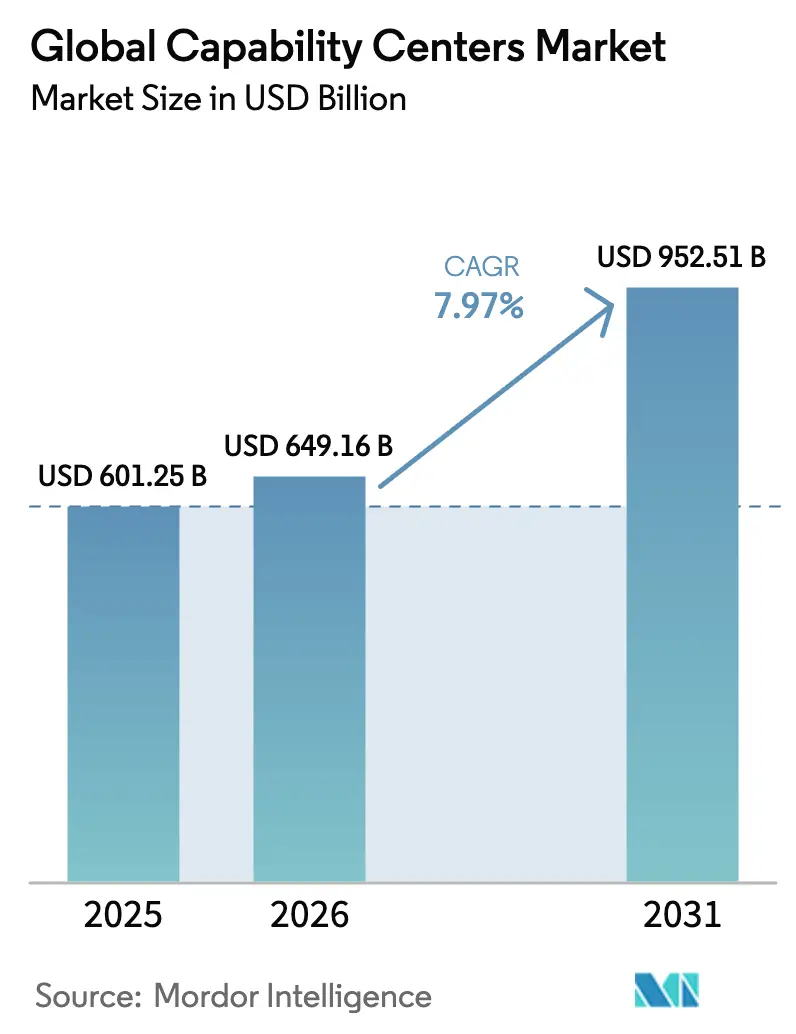
Appropriate ILO requirements include Procedure of 2014 to the Required Labour Convention, 1930, and Abolition of Forced Labour Convention, 1957 (No. 105). The ILO database NATLEX provides access to national legislation on the removal of required labour. For more research support on this theme, see the ILO Research Study Guide: Required Labour. Appropriate subtopics represented by ILO instruments consist of Equal Compensation Convention, 1951 (No. 100), Discrimination (Work and Profession) Convention, 1958 (No. 111), Maternity Security Convention, 2000 (No. 183), and Violence and Harassment Convention, 2019 (No. 190). For additional research help on this style, see the ILO Research Guide: Gender Equality. refers to the movement of people across borders for work.
ILO instruments consist of Migration for Employment Convention, 1939 (No. 66); Migration for Work (Modified) Convention, 1949 (No. 97); and Migrant Employee (Supplementary Provisions) Convention, 1975 (No. 143). For further research study support on this style, see the ILO Research Study Guide: International Labour Migration. refers to any system under which a wage flooring is figured out for all wage earners to guarantee "a minimum level of pay security" (The Basics of Minimum Wage Fixing, 2005).

Latest Posts
Scaling Global Capability Frameworks in America for 2026
Utilizing Business Process Optimization for Greater Returns
Optimizing Enterprise Workflow Performance Global Scaling